November 6, 2026
November 6 release: 0.3.8-greater.30
Two playtests' notes in one release: .29 was held back to ship with .30. From the latest playtest, a new dynasty starts clean, house guards fight and take orders, no monster nests stand in towns, an ally's warrants stop being kept when the alliance ends, the government chart reads at a glance beside a new Relations tab, a finished guild task frees its place, renown and bounties explain themselves, and camp-ball has clubs and a league. The law reads as one across realms: a realm that keeps another's warrant acts on it, your stars say whose they are, and a kept warrant's captive is held nearby and answers once. The downed no longer smother in walls and you choose your sentence awake; the cornered fight back or dig out; conversation names places by their street and means near and far as a speaker would; and every feedback note is kept. The world keeps its people: a starving camp or family resettles in any town whose land can feed it before anyone leaves the world, a town's room is read from its land, a realm with no seller in reach buys grain from the far ships, and the idle move to towns with open places. Guild work fights, at Copper and at Iron, and its letters say where to find their addressee. Sieges last days, end in surrender, relief, a sally, a storm or a lifted siege, count at the peace table and are run from a siege card. Town mornings, gates, guild notices and caravans no longer stall the server as they did in testing. Existing hosted worlds keep their progress, and new hosted servers still begin in the October 16 Greater World. This alpha release needs a new client: a .28 client cannot join a .30 server. About a third of grown people still have no work: this release gives the crown's workplaces their own books and turns what sells into orders, and the rest of the economy's fix is still being built; NPC realms seldom lay a siege of their own yet.
- –Install 0.3.8-greater.30 on both your client and server before joining. A .28 client cannot join a .30 server.
- –A new dynasty starts clean. It no longer carries the old house's estate debts, goods owed, open cases or the watch's suspicion; a real heir or a long-lost kinsman still inherits the estate's debts. A new dynasty begun before this release keeps what it carried.
- –A realm keeps an ally's, overlord's or vassal's warrants only while both realms stand, they are not at war and it still thinks well of the other. When that ends, its watch, golems, coach offices and townsfolk stop acting on those warrants at once, anyone held in its jail on them is let out owing the rest of their time to the realm that wanted them, and you are told why.
- –A paid house guard fights for your homestead. They get a stone sword and a leather jerkin if they have none, go after monsters and outlaws on or near the homestead or that strike you or your household, and run only when badly hurt. Tell them to keep by the door, keep a post where you stand or walk the homestead's edge, in talk or on the You sheet; the town no longer drafts them into its army.
- –No monster nests in towns. A nest is never placed within a town or close to its edge, a road or a homestead, and one already standing in a town, or in land a town grows over, is cleared, spawner, webs and all, once someone comes near.
- –Renown is explained on your sheet. The Renown page says what each town says of you, what renown does for you, and every way to earn it with roughly its weight. Bringing down the wanted, breaking a nest that preys on a town and giving crowns to a town at its Town Heart now earn renown, and a town can print a deed it admires you for in its broadsheet so more of its folk hear of it.
- –A reward says who. Each reward on a town's Work for hire tells, on its hover, what the wanted did, which realm pays, how dangerous they are, where they keep and how to claim it, and opens their sheet. Wanted players are no longer listed there, since that reward was never paid; they are hunted by contract instead.
- –A realm's government chart reads at a glance: laid out tall, the ruler at the top and the council, governors, towns, army and officers each heading a column, names whole and nothing scrolling sideways. Offices have their own tab apart from Laws, and the other wide charts (the Command Table's, house trees, crews) are laid out the same way.
- –See how a realm stands with the others: its government page (How it is governed, on any of its towns' sheets) has a Relations tab with a card for each realm it deals with, showing war, truce or pact, how it regards them, warrants kept, tolls and treaties, and what moved it lately. A town's sheet shows the main ones and links to the tab.
- –A finished guild task frees its place at once, even while its paper is still in your pack, so you can take the next one. The paper then reads Done and says where to claim the pay.
- –Camp-ball has clubs and a league. Each town of twelve or more keeps a club with a roster; every player's and townsperson's matches, goals, wins, draws and losses are kept across seasons; and a realm's biggest towns play a home-and-away league, a round each day, its champion told in the news. Read it all from the town's sheet, the club's page and the league table.
- –Workshops choose their work much faster, which eases a cause of server lag in busy towns.
- –Towns far from any player live their days at about half the cost, so the world keeps up with its days better while you play.
- –The crown's workplaces keep their own books: each has a till and pays its hands from it first, and its Details show its last week and what the treasury paid to keep it going. What sells at a town's counters now becomes orders for the trade that makes it, so workshops' hours and hiring follow what people buy.
- –One law across realms. A realm that keeps another realm's warrant acts on it as that realm's own watch would: at two or three stars its watch stops you, at four or five its soldiers, golems and townsfolk come for you. A watch that knows you are wanted stops you instead of searching your pack.
- –A captive taken on a kept warrant is held in a jail nearby, not walked across the world, and one custody answers every warrant that watch keeps against you; the sentence comes from the gravest single crime, never from stars added up.
- –Your wanted stars say whose they are. The HUD shows the realm you stand in first, then the warrants it keeps, each marked as kept by it; the rest are on the Crime page. 'Known again' is now 'Seen again', naming the watch that saw you, and its hover says how the hunt cools.
- –The downed no longer smother in walls. A downed body takes no knockback, is lifted out of a wall to the nearest place it can lie, and a carried player is set down safely.
- –You choose your sentence awake. You come to as the sentence opens, the choice appears after the fade clears with its full minute, and the downed panel moves to a corner. Esc puts the choice away; /law sentence or the [Choose] link opens it again, wherever you are held.
- –Send feedback as often as you like. Every note is kept and sent; only a double press is refused, and a burst of notes goes out as room allows.
- –A cornered townsperson no longer stands and takes blows. They dig out through soft ground or strike back with what they hold; children cower and cry for help; nobody breaks a building to get away.
- –Conversation reads as speech. A place in a line is named with its street, directions come as the speaker's own sentence, near and far mean what a speaker would, a healer means an infirmary or apothecary nearby, and you can see when the speaker is hurt.
- –Nobody leaves the world while some town can feed them. A starving camp or family goes to the nearest town in the world, by road or sea, whose land can feed it, with bread for the road; a host shelters newcomers while it builds them houses, and everyone who leaves the world is logged with the reason.
- –A town's room for newcomers, births and migrants is read from the fields it works today, not from weeks-old books, and food it sends as relief no longer counts against it.
- –A realm whose towns starve with no seller in reach buys grain from the far ships, landed at its nearest harbour and carried on by train, paid from its treasury; nobody leaves while the grain is on its way. The far ships never feed a besieged town.
- –The idle go where the work is: grown idle and new adults of crowded towns move with their families to towns of their realm, or a neighbour's, with open places, and a new adult's first job is sought across the realm.
- –Guild work fights. The Copper board posts the town's troubles and fights first: a footpads' camp by one of the town's roads, or beasts troubling a road. A letter goes only within about 1,200 blocks and names the person's work, home and street, with the pin on their door.
- –Iron work fights too: drive off raiders falling on a town's outer farm, escort a caravan through an ambush, or bring in a wanted outlaw dead or alive (the board takes a trophy skull); band captains are targets, and bringing one down scatters the band.
- –A guild notice's map mark carries its whole name and leaves your map once the work is done. Letters taken before this release are reread with the new rules. Beaten by a band, you are robbed and left be for a while rather than fought again at once.
- –Sieges last days. A band invests a walled town and nothing goes in; each morning the town's food falls, its walls break under the engines and the band eats its supply. It ends in surrender, relief, a sally against the engines, a storm through a breach, or the siege lifted when the band's food runs short.
- –A siege counts at the peace table: each day a town is invested earns warscore, a surrender counts as a town taken, a starving town is ceded more cheaply, and a realm under siege seeks peace sooner. NPC war councils besiege a walled town they want but cannot storm.
- –Run a siege from its card on the Command Table and the army card: the day, the town's food, the walls, the engines and any relief in sight. A besieger can storm, offer terms, hold or lift; a defender can sally, ask terms, give up the town or pay a ransom.
- –Fewer long pauses: a town's morning no longer loads land for its refits or its wall survey, the watch swings a city's gates a few at a time, the guild posts its notices within a bounded time, and a caravan halted to rest goes on only when its people have rested.
October 29, 2026 October 29 release: 0.3.8-greater.28
Playtest 17's notes, answered at their roots. Towns no one is near are lived from what they hold, so far more of the world's towns live their days and feed, bake, farm and build on time; famine camps are fed by their realms, and towns with land to spare take refugees in and build them houses; nobody starves beside a full store. Work pays from the mine to the finished piece: skilled pieces are made at their workshop's stations over real hours and those hours are paid at a skilled wage, so a gun's price is its stuff and its maker's days and a crafting table no longer makes one; the arms chain runs from the mine; ships are dear by their timber and caulking and their crews are paid at home. A coach takes you there in a few seconds of dark, with a planner that shows the risk as a number; rowers sit in their boats and caravans keep moving; and a locked chest is time and noise, not a wall. On a copy of a lived server world five game days on, fewer of its towns run short of food (20 under three days' food against 26 without these changes) and fewer of its people go hungry (6,364 adults against 6,705); the longer measure is still being lived. Existing hosted worlds keep their progress, and new hosted servers still begin in the October 16 Greater World. This alpha release needs a new client: a .27 client cannot join a .28 server. Famine still runs in the desert great cities, whose own land and neighbours cannot feed all their people, and some of them leave the world; about a quarter of grown people still have no work; the economy is still being balanced.
- –Install 0.3.8-greater.28 on both your client and server before joining. A .27 client cannot join a .28 server.
- –A town no player is near now lives from its stores' books: its households eat, its bakers bake and its fields are reaped from what it holds, without waiting for its land to load, and when you arrive the chests catch up with the books and nothing is counted twice. Far more towns are lived each day, and a town a passenger is bound for is lived first.
- –Fields get farmed: a field counts once its ground is laid (its hedge and gate follow), a scarecrow can be planks or stones, and a town lays out fields by what its own land yields against what it lacks. Relief, imports and merchants reach a far town's stores straight away.
- –Famine camps are fed by their realm's trains and, failing those, by food bought abroad; a fed household is no longer starving; towns whose land feeds more than they hold take refugees in, beds or not, and build them houses; nobody leaves a camp for the world while food is on its way; refugees may cross into a neighbouring realm that will feed them.
- –Nobody starves beside a full store: people without a house cook at the town's barracks, inn, alehouse, cookshop or bakery, relief can be raw food for those with a hearth, and a realm pays its starving town's food imports when the town cannot.
- –Wood reaches where it is wanted: felled-out woods are staked anew, builders fell trees near a site in a town with no wood, and the planner and the realm's relief count sites waiting on wood.
- –Skilled pieces are made at their station over hours: a gun's barrel is bored and its lock filed at a gunsmith's benches, steel and plate at the armourer's, siege engines at the joiner's, great guns at a foundry, with crews of the idle for the big ones; a crafting table no longer makes them. Make one in a workshop you own or work at, by working its hours or having its hands do it, or commission it. A good's price is its stuff and its maker's hours at the trade's wage (an arquebus about 44 crowns, three quarters of it wages), and a piece without a maker's mark sells only for its stuff.
- –A skilled hand earns a skilled wage: every making trade is paid the craftsman's wage, gunsmiths and golemwrights half again, more with skill; businesses owned by the world's people follow the realm's wage; workshops hire to the work they have.
- –The arms chain runs from the mine: towns sink mines on known ore, mines get their coal and sticks for light and a second hand, ingots are sought as ore, a realm short of iron sends miners, and a realm that knows steel fits out a steelworks when its soldiers need plate.
- –Ships are dear by their timber: a hull below the waterline is ship timber, seasoned and pitched from great timber at a tar kiln, and its seams are caulked with oakum and pitch; a hull of common or uncaulked planks seeps (ships built before this release keep their old seams). Yards and great works pay their wages to the realm's own people.
- –Passage is fast: booking a coach or a ship fades out and sets you down at the far town; before you pay, a planner shows the way, the distance, the fare, the freight by item and the risk as a percentage with and without an escort; from your map anywhere you can send for a coach, a guide takes you to a town you do not know, and ships join ports across the sea.
- –Rowers sit in their boats and riders in saddles and carts, boats are drawn up when a voyage ends, and parties on the road keep moving: a worn caravan trudges on by day and halts only exhausted or after dark.
- –A lock is time and noise, not a wall: bare hands force a locked chest in about four and a half minutes, with the sound, the hue and cry and a burglary charge; a forced chest leaves as one locked chest with its goods inside, marked stolen, and set down it is locked again.
October 26, 2026 October 26 release: 0.3.8-greater.27
The economy is rebuilt from its first principles. Hungry towns plough the open country around them and put their idle to work, crowns pay wages a household can live on and keep a reserve against what they actually lose, the coin the richest sat on is spent on businesses, houses, servants and fine goods, and a business is paid from what its town really spends. On a copy of a lived server world, 11 days on, households able to afford a day's food rose to 0.84 (from 0.61 without the changes) and the richest tenth's share of the people's coin fell to 0.43 (from 0.64). Playtest 16's fixes are in: the law stays in its realm, jails take your weapons, store goods and street lanterns you take are stolen, a business's own stock is its owner's to take, caravans rest on their feet, guns are held and fired the right way, bakeries are furnished, country houses are lived in, stewards find their way past the Command Table, and exile sets you outside the walls. Existing hosted worlds keep their progress, and new hosted servers still begin in the October 16 Greater World. This alpha release needs a new client: a .26 client cannot join a .27 server. Famine still runs in the great cities of a world already starving, many grown people still have no work, and a bought bakery or workshop still often loses money; the economy is still being balanced.
- –Install 0.3.8-greater.27 on both your client and server before joining. A .25 or .26 client cannot join a .27 server.
- –Hungry towns put new ground under the plough: a town its fields do not feed lays out and sows fields on the open country around it, seen or unseen, and staffs them from its idle; a crown takes on any hand whose work is worth more than the wage, towns with idle hands open new workplaces, and the idle move to towns with places open. Famine relief is first to bring in the stores it fetches from.
- –The money rule: a crown keeps three days of wages in hand and a reserve against what it actually loses a day, not two weeks of wages; wages follow what a household's bread, tax and rent cost and are cut only when the treasury cannot pay; the idle owe no head tax; with idle hands and cheap bread a crown issues coin to pay new hands, and calls coin in when bread runs dear and hands are short.
- –Hoards are spent: officers are paid their stipends as pay and the ruler's privy purse is smaller; households holding weeks of their keep buy businesses (a town's new workplaces go to its own people first), buy houses to let, keep servants and buy fine goods, and the savings tax reaches the ruler's household and travellers too.
- –A business is paid from what its town spends: households' buying is shared among every seller of a good by what each offers, the crown buys from businesses only what it uses, the crown and its businesses trade both ways at one wholesale price, and the old per-trade floors are gone; a made good's worth carries its maker's day at the going wage, and the owner's page says who buys.
- –The law stays in its realm: a realm that keeps no warrant on you sells you a coach seat, shows no wanted line and its people do not fear you; an ally's warrant is told plainly, and a market that owes the robbed realm nothing buys its goods.
- –A citizen answers for a neighbour's things: taking a fellow townsman's smoker, bed, barrel or bench is theft and the goods are marked stolen; breaking a house someone else holds or lives in is damage, found at the morning tally if unseen; breaking into a neighbour's shut house is burglary; a plain citizen of a world realm answers for its walls, public buildings, stores, treasury, armoury and jail.
- –A store's chest or barrel broken open is the chest and everything in it taken, charged at its worth and found at the morning's tally even unseen; a lantern, torch, banner or other fitting taken from a street, wall or house is stolen from its owner (the householder, deed holder or the realm) and charged. Your own business's stock is yours: its owner, manager and household take it freely, watched or not.
- –The jail takes your sword and armour into its evidence store, and a gaol's or prison's front cells are walled on the warden's side.
- –A party worn out on the road by day halts and rests on its feet by the road; it lies down to sleep only after dark or under a roof.
- –Guns are held the right way in first person, smaller and levelled down the line of sight; you can see at a glance whether one is loaded, and loading and firing are heard and seen, with smoke blown ahead.
- –A steward reaches what their lord may see: a citizen's steward goes to the lord's own sheet, the realm's government, the army and their town instead of a Command Table citizens cannot read, and a refusal says why; stewards answer again after their first errand step (with the site's counsel fix of October 26).
- –Bakeries, joineries, masonries and smithies are furnished inside, those already standing included (an owner's own shop on their word); the houses in the countryside go to the households who work the land beside them, whose idle and children stay home by day.
- –An exiled player is set down on open ground outside the town's walls, by a road leading away, never on a wall or roof, and told where.
October 25, 2026 October 25 hotfix: 0.3.8-greater.26
A server fix for .25: a pause of up to twenty seconds soon after a server starts, when towns buy food from their neighbours, is gone. Servers should update; players on .25 can keep their client and still join, or update when they like.
- –Update your server to 0.3.8-greater.26. A .25 client joins a .26 server, and a .26 client joins a .25 server.
- –Towns buying food from a neighbour realm no longer pause the server: the purchase waits for both treasuries' land, which loads in the background, and pays as the food train sets out.
October 25, 2026 October 25 release: 0.3.8-greater.25
Evenings with friends run smoother: the long freezes are gone, the towns you head for are kept up to date, and busy towns keep their people. There is a war to join: find the wars under way at the guild, a barracks, an inn or from the Companion, sign on as a mercenary and be paid by the day and the deed, ambush the enemy's supply columns, or call the levy as a ruler. Playtest 15's fixes are in: you stay bound while choosing your sentence, Esc is a run for it with the watch on your heels, the gallows gives you a clock to break out, guards no longer stand on roofs or strike through walls, and what you mine from a town is marked stolen. Food reaches hungry towns, a business you buy earns more and says why when it loses, and AI-voiced people answer out of the box on your own server. Existing hosted worlds keep their progress, and new hosted servers still begin in the October 16 Greater World. This alpha release needs a new client: a .24 client cannot join a .25 server. The great cities still go hungry in places, and the economy is still being balanced.
- –Install 0.3.8-greater.25 on both your client and server before joining. A .24 client cannot join a .25 server.
- –Smoother evenings: no more freeze a few minutes after the server starts, no stalls from a great town's famine morning, fevers or market day, and hosted servers tuned so their memory never fills; the towns you head for are kept up to date first, and a busy town keeps its people as you walk its streets.
- –Wars under way: the Adventurers' Guild, a barracks, an inn, the Town Heart, /wars and the Companion list the wars being fought, where the fighting is, how far, the coach that will take you and what each side pays.
- –Hire on as a mercenary with a realm at war, alone or with your company: the terms are shown first (a day's pay, bounties for each deed, ten days or until peace), pay comes from the treasury each morning and witnessed kills are paid on the spot. A turncoat is not taken back.
- –Realms at war send patrols along their roads and supply columns to their marching hosts. Ambush a column and the host goes short; patrols that meet fight a skirmish.
- –As a ruler, call the levy from the Rule or Army tab: the forecast shows who will be called from which work, the pay against your treasury, the food left unmade and the grievance; stand them down at any time.
- –Taken in battle: struck down by an enemy soldier with no friend near, you wake in the captor's jail or camp with your kit held. Pay the ransom, ask your realm, break out, or go free when the war ends.
- –The law (playtest 15): you stay bound while choosing your sentence; Esc is a run for it with your hands bound and the watch giving chase, and a knock-down takes you straight to the cells; the gallows puts you in the cells with five minutes to break out. Golems leave a petty thief to the watch, and a freed prisoner is let out of the jail.
- –Guards no longer climb onto roofs or strike you through a wall you built. A fitting mined from a house or stone taken from a town's walls is marked stolen and charged.
- –Food: realms send food to their hungry towns from several towns at once, buy food from their neighbours when they have none, and take hungry families in before they make camp.
- –Businesses: a bought inn keeps its takings, a bought farm sells all its crops, a manager takes a share of what the business clears instead of a fixed wage, bakeries earn their keep, and the steward names only businesses that would pay.
- –AI-voiced people, the Guide's answers and /realm counsel link now work out of the box in single-player and on your own server. A town between two old faiths turns only for a cause its faith line names.
October 24, 2026 October 24 release: 0.3.8-greater.24
Religion arrives: found a faith of your own, spread it, build its houses, climb its ranks and make it the law of your realm. Towns play camp-ball on their greens, minstrels play in the alehouses, and you can play an instrument yourself. Playtest 14's fixes are in: blocks you break stay broken when the server is behind, you always know your crime, exile sets you outside at once, and you can sell part of a stack. Existing hosted worlds keep their progress, and new hosted servers still begin in the October 16 Greater World. This alpha release needs a new client: a .23 client cannot join a .24 server. The great cities still cannot fully feed themselves, and the economy is still being balanced.
- –Install 0.3.8-greater.24 on both your client and server before joining. A .23 client cannot join a .24 server.
- –Religion: every faith has a structure (a church, a fellowship or a priesthood), tenets that change how its people live, holy days and sacred sites. Found your own at a temple, shrine or natural wonder and choose its tenets.
- –Spread your faith: preach in talk with the odds shown, give alms in its name, gather followers who tithe and worship, and see towns turn when most of their people do.
- –Commission shrines, chapels and temples that hold holy-day services, rise through your faith's ranks, and stand in elections for its head.
- –Proclaim a state faith, set tolerance or persecution by law, send inquisitors after heretics, cast out rulers and wage holy war over sacred sites.
- –Camp-ball: kick a leather ball by running into it or striking it, build goals from posts and a crossbar, and join a town's match on its green in the evening or on rest days, with the score on screen.
- –Music: play a lute, flute, drum or horn on its own play screen, learn tunes from bards and minstrels, and hear minstrels in the alehouses and squares. Music lifts the mood of all who hear it.
- –Blocks you break stay broken when the server falls behind, and five friends now hold about 19 ticks a second on the hosted plan.
- –Every rise in your wanted stars says what you did, where and who saw it. A first crouched reach into a stall's barrel or a first light blow at a townsperson is warned before it counts.
- –Choosing exile sets you down outside the realm's lands at once. The watch no longer stops you for what came before, and the exile shows one length everywhere, with its reason.
- –Sell part of a stack: a click sells one, shift ten, ctrl a stack. All is its own button.
- –A house you rent is no longer for sale while you rent it, and townsfolk no longer move in. A latched door holds however fast you click it. A thief you are set to catch at a business really comes, by the door, at the hour named.
- –When bandits rob a carter bringing your order, you are told what was taken, where and by whom. The town watch lives through the night, people step into doorways without hopping, and more food reaches the great towns.
October 22, 2026 October 22 release: 0.3.8-greater.23
Buy a business at an honest price with advice you can act on, hire managers by their skill, register your own homestead and hunt near it, and reach any town on your map by coach or horse. Rulers get a council that explains its votes, peace terms that matter and a warning before a town's wages fail, and in our tests three players played two hours together on a server held to the hosted plan's limits with no pause over two seconds. Existing hosted worlds keep their progress, and new hosted servers still begin in the October 16 Greater World. This alpha release needs a new client: a .22 client cannot join a .23 server. Pauses can still occur, the great cities still cannot feed themselves from their own land, and food supply and the wider economy are still being balanced.
- –Install 0.3.8-greater.23 on both your client and server before joining. A .22 client cannot join a .23 server.
- –Buy a business at an honest price: a premises for sale shows about what it would make a week here and how, the stock that comes with it and what that stock resells for, and you can buy the building alone. Ask your steward or the Companion which business to buy and hear the best one for sale in town and why, or open the list from Businesses for sale on the Town Heart. Every page now gives one answer to whether a trade would pay here, with advice you can carry out: buy wheat where it is cheaper, buy the best-paying trade for sale, or sell back.
- –Hire a manager by trade skill with the wage shown first: a master asks about two and a half times a novice's wage and turns up every morning, and a skilled manager switches an idle or losing workshop to something that sells at a profit. Your owner's page shows what was made and sold this week and to whom, a farm's fields and first harvest, and why the town's morning sale passed your goods by. Choose how much of a business's debt to pay, and a bakery is now judged by the wheat that actually reaches its ovens.
- –Register your own homestead even with your house already standing on its ground, and see it valued by the blocks that stand and the ground they cover. A homestead the realm recognises may hunt freely within 64 blocks of its bed; beyond that you need a licence like anyone else, and the Companion answers for your homestead.
- –Earn your first crowns: the storehouse buys planks, doors, chests, fences and plain wood goods, points you to Work for hire at the Town Heart, and each delivery tells you in chat what it paid. The Property tab and the Companion tell your hearth tax and when it is next due, Find a place always lists your homestead and lodging bed, and townsfolk answer questions about the law.
- –Your council explains itself: every law choice shows how the council would vote, a refused change says why and what would carry it, and councillors weigh the realm's need when you raise a tax or toll while treasuries run low or at war. The Wages tile counts each town's own coin, a Wages short card warns you before a town cannot pay, and Move crowns or Even out the treasuries shifts coin from towns that can spare it. Applying a draft lists its changes and the expected vote, a wage the steward cuts is told in chat, and a faction's demand reaches you with Grant and Refuse, and you have a day to answer before a faction forms.
- –Peace terms now matter: a warscore point is worth a hundredth of the paying realm's treasuries or a fortnight of its wages, and the most that can be asked leaves the payer five days of wages. The war card says when the enemy may sue, envoys due within a day are timed in hours, an arriving envoy's line opens its Accept and Refuse, the negotiating table warns when your terms would arrive too late, and a war neither side can reach ends in a white peace. Everyone in a war is told in chat when it ends, the other realm's card shows the truce, and the war, the Realm tab and town pages now count food the same way.
- –Reach any town on your map: every town with a treasury has a coach office, going by road where there is one and across country elsewhere at half the pace for a crown per 100 blocks, never over open sea. Every market has a horse trader selling a tamed horse for 100 crowns, and you can pay a granary to send a train of food to another realm's hungry town. Ask the Companion how to get to a town for the way by coach, horse and on foot, and follow a shop from the map to its door and then its counter.
- –A granary calling for food pays by its market's bread or by how short its stores run, whichever is dearer, and no more than a tenth over a loaf's worth unless its market pays more; every page quotes that same price. Wherever such a granary is named you are told to right-click the name board over its door. /find counts a loaded shop's stock live and dates the rest, road distances are what a coach travels, and a market lot holds up to ten stacks.
- –In our tests on a server held to the hosted plan's limits, three players played for two hours with no crash and no pause over two seconds, where there had been three; pauses that long are now rare, though not gone. Daily work, outlaw bands' mornings and the saving of changed land are now spread over the day, and four more causes of pauses over a second, from a far town's building and business to the underworld's stashes, are spread out too.
- –Conversations and your You sheet now open without a pause, a death or a building site out of sight no longer loads far-off land on the spot, and joining a server just started or woken no longer brings a long pause in its first minute. Animals and monsters at rest far from any player cost the server less, and hosted servers now simulate the world within 6 chunks of each player.
- –No one is trapped in a narrow pit any more: walkers keep out of them and climb out of any they fall into, and towns no longer leave such trenches. Squares in newly generated towns have their signpost again, its boards saying how far to each landmark, and a search in the Companion from its Start page now shows what it found. A guild letter handed to another player is still pursued, a chase ends at a town's edge, and a letter in the chest of a ridden or led beast or a chest boat counts as carried.
- –Bread flows better in the Greater World: households buy at the market nearest home and a town's markets are set out again each morning, towns fed by their own fields sow wheat among their potatoes, bakeries keep only as many bakers as their wheat keeps busy, and bakeries out of sight bake the wheat in their chests. Towns grow only as far as their land and trade can feed them, the People tile says what the land feeds, and a hungry household leaves for a town that can feed it before it starves.
- –For the full Greater World, we recommend 12 GiB of memory allocated to the server. Clients need at least 6 GiB allocated to the game.
 October 21, 2026
October 21 release: 0.3.8-greater.22
Crimes now follow you with wanted stars, rooms are rented by the night, the businesses and homes you own can be guarded, and when you die your estate passes to the heir you choose. Found towns and hand them to your steward's standing orders, take errands and guild quests, meet the underworld, court and marry, and fight at sea. Existing hosted worlds keep their progress, and new hosted servers still begin in the October 16 Greater World. This alpha release needs a new client: a .21 client cannot join a .22 server. Pauses can still occur, and food supply and the wider economy are still being balanced.
- –Install 0.3.8-greater.22 on both your client and server before joining. A .21 client cannot join a .22 server.
- –Crimes follow you: flee a call to yield or slip a watch chase and you gain wanted stars, which wear off out of sight. The watch takes up what you build on town land without leave, and solves a death by trap clue by clue.
- –Rent a room or house for the nights you choose, extended from anywhere in town and locked to other players while paid. Hire a watchman for any business you own and hear when thieves eye it. A golem woken in your home guards it while you are away, and golem sentries stand at town gates, roads and stores.
- –Court, marry at the temple before family and friends, and raise children under the realm's marriage law; adultery has consequences. When you die, read your life's summary and choose your heir; the estate is settled once. A regent's powers law sets what a regent may do while a ruler is away.
- –Found a town and call settlers, see when they will arrive and what a young town lacks, and give your steward standing orders with a weekly budget. The steward names each thing that needs you once, with its town and count, a treasury can pay when your purse is short, and a business can be bought even where the town's treasury is full.
- –A job's master gives errands that fit the trade, from fetching a missing input to catching a thief at night, and copying, mixing and haggling are now minigames. Guild quests tell a story that fits the realm's politics, and you can charter a free company at the guild.
- –Meet the underworld through a fence, earn a crew's trust with small jobs and climb its ranks. Play poker and twenty-one or bet on arm-wrestling at pubs and dens under the realm's gaming laws, and fight in a city's arena for money.
- –Caravans travel with guards matched to their cargo and road. Ride carts between big cities, or buy shares in a line and take part of every fare. At sea, shot masts fall, a ship without sail drifts to a stop, holed ships sink, and rich sea realms keep fleets led by a flagship.
- –Rulers post scouts on roads, borders and armies and read spies' reports on rival realms; a caught spy can be hanged, jailed, turned or sent home. See each law, office and who supports what, and lobby councillors for a policy. Computer-run realms now fight the wars they can reach.
- –Great monsters strike in the storyteller's seasons, taking livestock and spoiling harvests until a realm's hunt or a slayer claiming the reward brings them down. Survey for ore: seams run down as they are worked, new ones are found, and realms quarrel over rich ones.
- –Live off the land: sell what you hunt and grow even in towns without a market, hear a realm's game law before the kill, and see a homestead counted by the blocks that stand. The Guide answers how to make a homestead, hunt or sell, for where you stand.
- –Sell buildings and land between owners, and take an overlapping claim to the land office or the realm's court. Preview a building in 3D before ordering it, in the sizes, styles and finishes your people and purse allow.
- –Fewer server pauses: the first minutes after a start no longer stall while every town is read, and work, trade and taxes no longer load far-off land on the spot. A world's saved files no longer pile up with every restart, and a Spanish single-player game reads in Spanish throughout.
- –Saves now carry a version: an older world is upgraded once as it loads, each changed file first copied to its sovereignrealms_backups folder, and a save the game cannot read is kept as it was, never begun afresh. Still back up a self-hosted world before updating, and keep its older build if you may need to roll back.
- –For the full Greater World, we recommend 12 GiB of memory allocated to the server. Clients need at least 6 GiB allocated to the game.
 October 19, 2026
October 19 release: 0.3.8-greater.21
The twelfth playtest's answers: walk into a town that is catching up on its days without a loading screen, wake where you lay in a bed that is not yours, and build a homestead without a line over your hotbar. A hungry town's alert now offers a supply train, a ruler hears the next morning how a decision was taken, the Stores tab reads in a screen or two, and the task you took on stays in sight. Existing hosted worlds keep their progress, and new hosted servers still begin in the October 16 Greater World. This alpha release needs a new client: a .20 client cannot join a .21 server. Pauses can still occur, and food supply and the wider economy are still being balanced.
- –Install 0.3.8-greater.21 on both your client and server before joining. A .20 client cannot join a .21 server.
- –No loading screen when you walk into a town that is catching up on the days no one watched: its people come out as you arrive, and a town you head for starts catching up from much further out.
- –Rest in a bed that is not yours and you wake where you lay, never moved, and your respawn point stays put. If the household or someone of the town finds you asleep there, they wake you.
- –Building a homestead no longer puts a line over your hotbar every few seconds: a small "Hold Left Alt: homestead" hint shows while you build, the full progress is on that key, and the line comes only when something changes.
- –A homestead keeps its pedlar, its tax or tithe and its watchman while you are away or its land is unloaded, and on servers with outlaw raids turned off.
- –A hungry town's alert offers a supply train from the nearest town with food to spare, showing the distance, the food it has and when the train would arrive.
- –The Stores tab reads in a screen or two: what is short, wanted or glutted first, the rest folded by kind, and "Find a good..." finds any good. The policy settings are grouped, and the Realm tab shows your neediest towns first.
- –For rulers: the morning after a decision, a short report tells you how the realm took it: stability, legitimacy, hardship, the answer of the interest it touched, and the treasury and food since yesterday.
- –Taking an enemy realm's seat now scores double in a war, as the war goals promise, and not only when it is their last town.
- –Ask the Guide a question and it answers what you asked, or says in a line that the book has nothing on it with a search to try. Its and the Companion's answers now agree with the game on commanding soldiers, raids, homesteads, the standing to found a town and campaigns.
- –A task you have taken on shows as a plaque at the top left ("Task: wheat 3 of 16, due in 2 days") and heads the Companion's Start tab, with the way to where you hand it in.
- –Your map and corner map draw a walled town's walls and gates, and Find a place lists the gates, so you can walk in through one instead of into the wall.
- –Founding a town at your homestead finds the house even under a roof just laid or a glass roof.
- –Back up an existing self-hosted world before updating, and keep its matching older build if you may need to roll back.
- –For the full Greater World, we recommend 12 GiB of memory allocated to the server. Clients need at least 6 GiB allocated to the game.
 October 18, 2026
October 18 release: 0.3.8-greater.20
Command your soldiers by group in battle, run a business that tells you why it gains or loses, rule with forecasts in front of you, and make a home in the wild. Existing hosted worlds keep their progress, and new hosted servers still begin in the October 16 Greater World. This alpha release needs a new client: a .19 client cannot join a .20 server. Pauses can still occur, and food supply and the wider economy are still being balanced.
- –Install 0.3.8-greater.20 on both your client and server before joining. A .19 client cannot join a .20 server.
- –Battle orders by group, as in Warband: Backspace opens the orders, 1-4 pick a group, then Movement, Formation or Fire. Advance, fall back, hold where you look, charge, form a shield wall or hold fire, and only the selected group obeys.
- –A battle panel shows each group's standing and what it is doing, and a small mark in its colour floats over your selected soldiers.
- –Battles of up to 150 a side: soldiers near you fight in person and the rest by share out of sight. A company you lead gets a verdict, Victory or Defeat, with how many fell beyond sight.
- –March on an enemy town to raid it or to take it and hold it, with the distance, the arrival time and whether the food lasts shown before you go.
- –Brigades march as one host from their muster town. The staged siege (/playtest siege) now ends: lead the storm, and the town changes hands or your band withdraws.
- –The Command Table map follows your war honestly: enemies seen now, where they were last seen and when, and reported forces as a ring as wide as the doubt.
- –A business you own says why it loses and which trades would pay in its town, shows one profit figure for the week, and hiring works. A manager can run it for you and writes to you each week.
- –You > Property has a "Needs you" list: each business that loses, owes wages, has empty racks or has no manager.
- –Order goods delivered to your business, house or homestead, and compare one good's price at every market you know. Goods from across the sea cost about twice what the stalls here ask.
- –For rulers: the Realm tab shows how many days of wages the treasury holds and warns before it runs low; every tax, wage and law says what it would do and, where a council sits, how it would likely vote; and the tax sheet opens by itself on tax day.
- –The Realm tab's figures agree with their hovers and with each town's own page, and a town's food figure says how old it is when no one has been near.
- –Ask the steward to recruit for a company, or raise soldiers at once for a bounty paid from the treasury. Without the AI model, the steward's "What needs me?" gives up to three of the most urgent things in plain words, each with a link to deal with it.
- –Make a homestead anywhere outside a town's ground with a bed, a chest and 40 blocks. The realm whose land it is meets you the same day, and in the wild a nearby realm may offer protection for a tithe.
- –A homestead is raided only while you are online, and you are warned on the morning before. A hired watchman keeps it, and a pedlar's cart calls to buy your surplus.
- –Someone with nowhere to go may ask to settle at your homestead, and comes if you agree. A lived-in homestead gives you the standing to found a town there, its house the town's first home.
- –Hunting follows each realm's game law: open, licensed or the crown's forest. Hunting its land without leave is poaching; a season's licence is bought in a town's Hunting section, and the wild and the frontier stay free. Beasts bred on your recognised homestead are yours.
- –The screen's edges work as one set: each kind of news has its place, labels are short, and Hold Left Alt shows the rest. In-game text now agrees with the game, and typing in a sheet's box survives a notice or a resize.
- –Back up an existing self-hosted world before updating, and keep its matching older build if you may need to roll back.
- –For the full Greater World, we recommend 12 GiB of memory allocated to the server. Clients need at least 6 GiB allocated to the game.
October 17, 2026 October 17 release: 0.3.8-greater.19
Most of the game's screens are redrawn to read at a glance, and play is smoother, with fewer long pauses. Existing hosted worlds keep their progress, and new hosted servers still begin in the October 16 Greater World. This alpha release needs a new client: a .18 client cannot join a .19 server. Pauses can still occur, and food supply and the wider economy are still being balanced.
- –Install 0.3.8-greater.19 on both your client and server before joining. A .18 client cannot join a .19 server.
- –The Command Table is redrawn: every tab opens on tiles, meters, cards and small charts, with the details on hover. The Attention tab shows what needs the ruler as cards, the most urgent first.
- –Buying and selling is easier: each good shows its price and one word for how it stands (Plenty, Short or Scarce), and a basket keeps the total and one Buy button in view.
- –Fewer long pauses: in our tests, autosaves and the work of towns out of sight no longer hold the server up for a second or more. After a pause, the server no longer pulls you back.
- –Arriving in a town that is still catching up shows a short loading screen instead of an empty town.
- –Chat stays short: the game's notices are one line each, with the rest on hover. Footstep rings show only when they matter and can be turned off in the mod's options, and only someone creeping is asked "Who's there?".
- –Inn rooms are numbered by their doors, and your room is marked over its door while you stay.
- –The Companion opens on your next step, and its search finds where the book explains a word. The map's Crime layer marks the towns that want you, and a bought map draws the land as its maker charted it.
- –More of the game is in Spanish, including the planner, the army board, street names and conversations.
- –Back up an existing self-hosted world before updating, and keep its matching older build if you may need to roll back.
- –For the full Greater World, we recommend 12 GiB of memory allocated to the server. Clients need at least 6 GiB allocated to the game.
 October 16, 2026
October 16 release: 0.3.8-greater.18
New hosted servers now begin in a freshly raised Greater World: all 196 places with about 50,000 people, over a hundred of its towns and cities rebuilt by hand. Existing hosted worlds keep their progress. This alpha release also brings fast travel, stealth and thievery, the realm's politics and many fixes; pauses still occur, and food supply and the wider economy are still being balanced.
- –Install 0.3.8-greater.18 on both your client and server before joining.
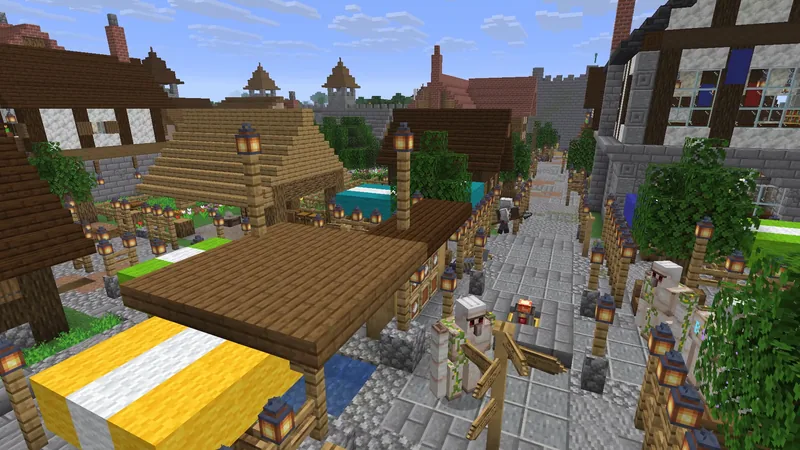
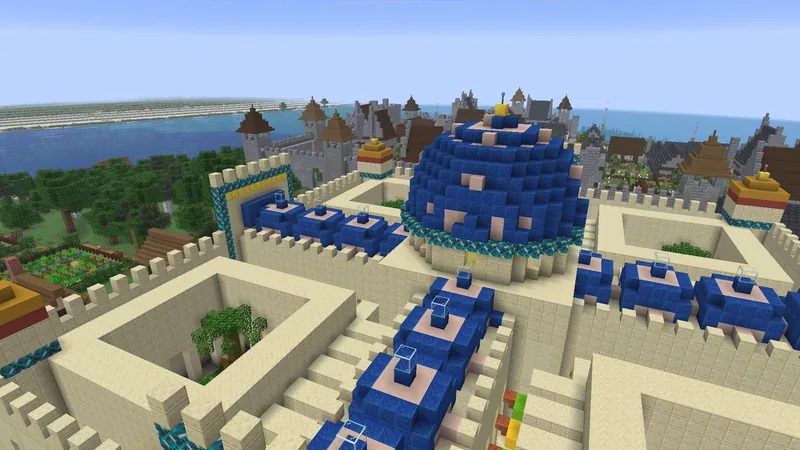
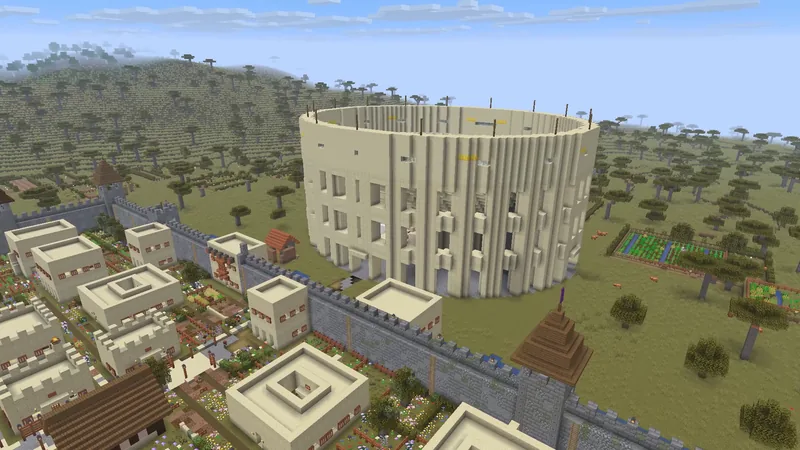
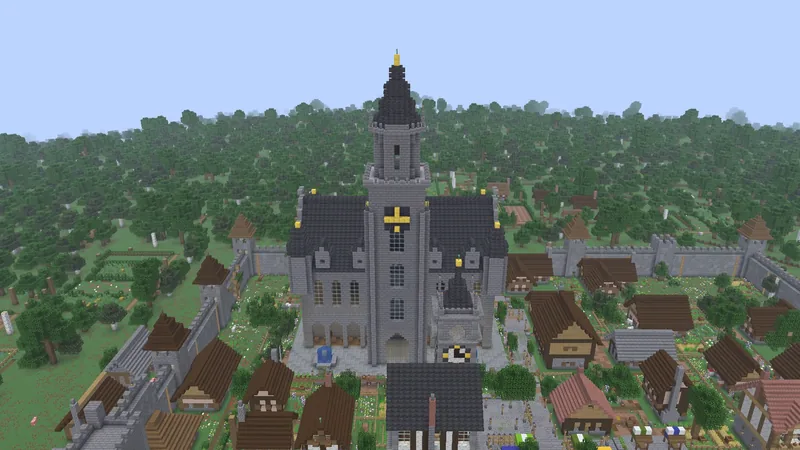
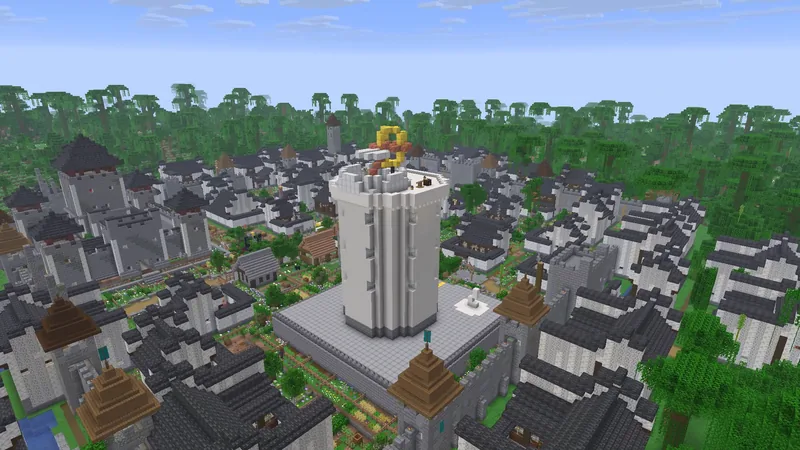
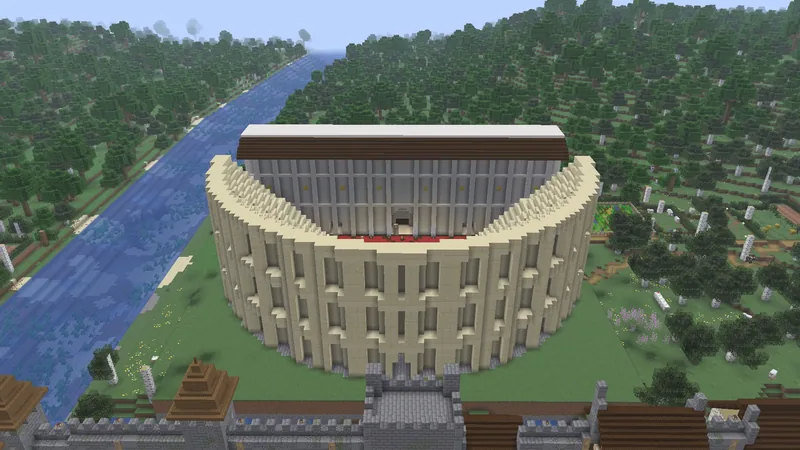
- –Over a hundred towns and cities rebuilt by hand, each people with its own inns, chapels, jails and gatehouses; Middle Sea towns in stucco and terracotta with bell towers; real shores, rivers, moors and open northern seas.
- –Fast travel: the way home, riding the roads with fresh horses at post stations, coach passage, the old waystones, realm waygates and the Nether road.
- –Stealth and thievery: see where you would be seen, the watcher's eye, sound, lockpicking and pickpocketing.
- –Merchants, landowners, craftsfolk, labourers, clergy and soldiers press their interests; a town's sheet says why it is rich or hungry, and the books show what a war costs.
- –Sea battles no longer disconnect players.
- –Back up an existing self-hosted world before updating, and keep its matching older build if you may need to roll back.
- –For the full Greater World, we recommend 12 GiB of memory allocated to the server. Clients need at least 6 GiB allocated to the game.
October 11, 2026 October 11 release: 0.3.8-greater.17
New hosted servers now begin in the complete Greater World: all 196 towns and cities, with about 50,000 people already living there. Existing hosted worlds are preserved. This alpha release also includes performance and economy fixes; pauses still occur, and food supply and the wider economy are still being balanced.
- –Install 0.3.8-greater.17 on both your client and server before joining.
- –Back up an existing self-hosted world before updating. This release uses a new save format: do not reopen a world saved by .17 with .16.
- –For the full Greater World, we recommend 12 GiB of memory allocated to the server. Clients need at least 6 GiB allocated to the game.
October 10, 2026 October 10 release: 0.3.8-greater.16
The Greater World can now be raised whole: all 196 towns and cities, about 50,000 people, every realm and its society. The client profile, server mod and new hosted servers use this build; install it on both your client and server before joining. Hosted servers keep starting from the current built world until the whole Greater World has been performance-tested; to raise it on your own server, follow the steps on the download page.
- –Every town and city now has its working countryside: barns, windmills, orchards and the lanes between them.
- –Farmland is cleared out of the forest, and the land's own trees grow in the open ground between city houses.
- –Heartland houses each have their own roof, in dark oak, spruce or red mangrove, and town squares are lit by lanterns on the paving instead of thickets of posts.
- –Guards now stand where the roads come into towns, and many harbours, gates and walls were fixed so every town founds whole.
 October 9, 2026
October 9 release: 0.3.8-greater.15
The client profile, server mod and new hosted servers now use the same October 9 build. Install this version on both your client and server before joining.
- –Includes the latest tested fixes to townspeople, the economy and world systems.
- –Includes the revised great-building designs. Buildings already standing in an older world may need a refit before their appearance changes.
 October 2026
The adventurers' guild
A guild chapter in each realm's seat and every town of 40 or more. Join for 5 crowns and rise through Copper, Iron, Silver, Gold and Obsidian ranks.
- –Each morning a chapter posts what its town needs, with a giver, a reason, a place and real pay.
- –Quests come from the world's own troubles: outlaw bands, great monsters, wolves at a fold, spider nests, letters to carry.
- –Proof happens in the world: the band broken, the nest destroyed, the letter delivered by hand.
 October 2026
Wilderness discoveries
Sites appear in the wild as land is first seen, one to three on a 2,000-block walk: broken watchtowers, burned hamlets, old battlefields, standing stones, abandoned mines, barrows, hot springs and more. Townspeople tell you about nearby sites, and your map marks what you have heard of.
 October 2026
Marriages between ruling houses
Realms offer marriages to friendly neighbours. While a marriage stands, the two realms think better of each other. You can offer one from your realm's Foreign tab.
 October 2026
Drink and the law
Each realm keeps drink free, taxed or banned. Where it is banned, gangs run speakeasies in alehouse back rooms and smugglers bring drink in, and the watch fines drunks in the street.
 September–October 2026
Fixes found by playing like an exploiter
Coin can now only be struck at a realm's mint, searches look inside bags and shulker boxes, and townspeople can no longer be trapped in boats or minecarts.
Ongoing Spanish localization
The interface can be switched to Spanish, including the alehouse, the underworld's pages and the realm's code of law.