Natural Wonders
DiscussFrom the Sovereign Realms Encyclopedia
Natural wonders are the great landmarks of the Greater World: waterfalls, sea arches, ancient trees, glaciers, barrows, ruined abbeys and other things worth walking a long way to see. The world's map names 118 of them, each with a fixed place, name and kind. They are sculpted into the land as the world is made, so they are the same in every world made from the map, though the ground around them follows the seed.
Wonders are scenery and signposts rather than adventures. They are built from ordinary blocks, with no chests or loot of their own. What they give a traveller is a reason to cross the country, a mark to steer by, and sometimes a ring of old standing stones that can carry you away; see Fast Travel.
How they come to be
A wonder is not placed when the world is created. Instead, the game raises it as you approach: when a player draws within a few hundred blocks the land is prepared, and the wonder is built once nobody is near enough to see it go up. It is then kept for good. The first edition of the Known World has none; the Greater World's map is the one with wonders.
Each is sculpted to fit its place. Rock is laid in wavy bands of vanilla stone, with a palette fixed for the place: grey stone, granite, red granite, chalk, limestone, sandstone, basalt, slate, travertine and others. Wild trees are cleared where the wonder needs the ground, but planted trees and existing roads are left alone. Falls throw spray and hot springs steam while a player is within about 90 blocks.
The kinds
A wonder's size, from 1 to 5, sets how big it is built.
| Kind | Count | What it is | Examples |
|---|---|---|---|
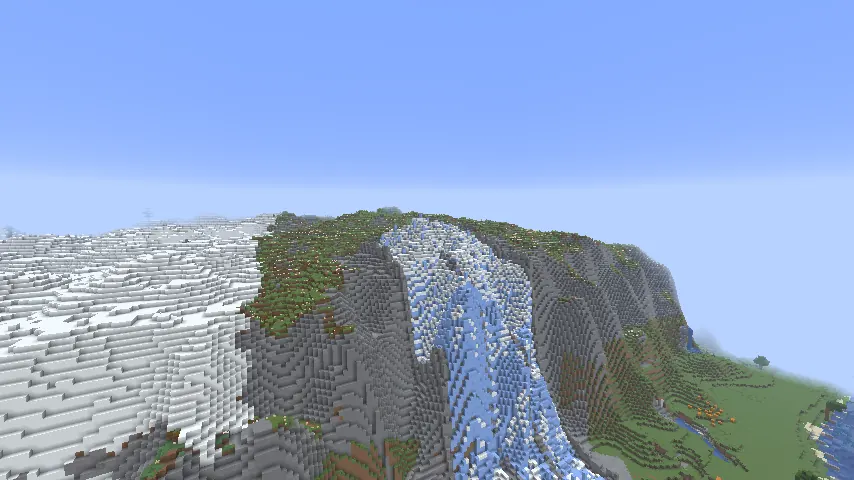
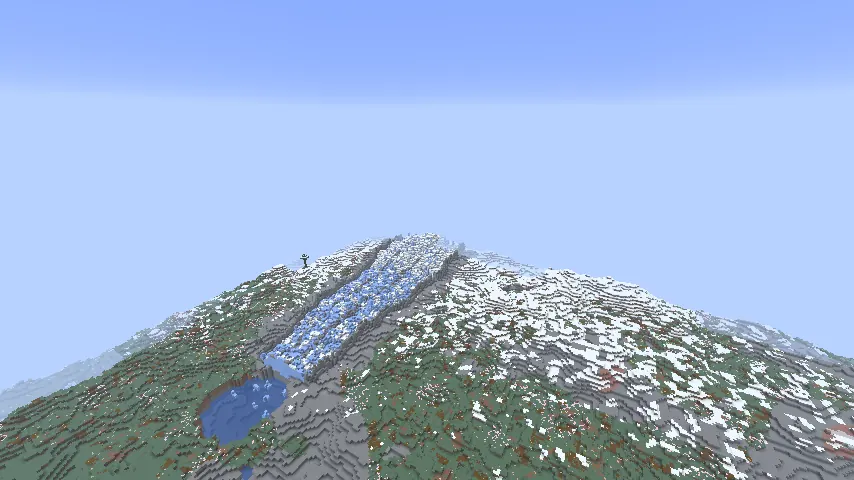
| Waterfall | 17 | A stream coming over a lip of hard rock into a deep pool, then down a cut gorge; some in ribbons or tiers | High Force, the Seven Sisters, the Staubbach, the Marmore Falls (in tiers), the Caucas Falls, the Smoke That Thunders |
| Lake | 13 | A valley lake in a hollow, with reedy shores of gravel, sand and turf | the Fell Water, the Loch of the Glen, the Lough of Erin, the Lake of the Cantons, the Frozen Lake |
| Ancient tree | 10 | One enormous tree: a broad oak, a spreading yew, a bottle-trunked baobab, an umbrella dragon tree or a cedar | the Fair Oak, the King's Oak, the Kingsmead Yew, the Patriarch Cedar, the Old Dragon Tree, the Great Baobab |
| Sea stacks | 7 | A group of banded rock pillars standing out of the sea | the Red Needles, the White Needles, the Faraglioni, the Old Man of the Isles |
| Tors | 6 | Low piles of weathered slabs on open upland, with fallen blocks about them | the Grey Tors, the Armor Tors, the Slate Tors, the Torcal, the Kola Tors, the White Desert |
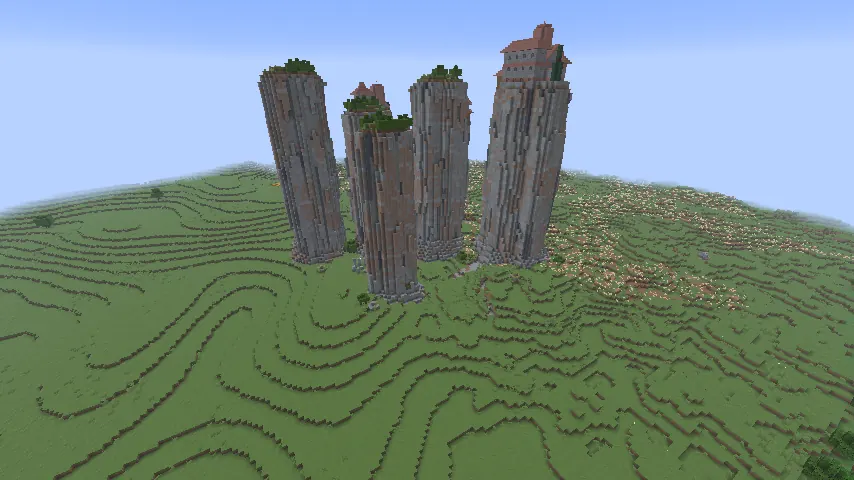
| Spires | 6 | Fluted pillars of rock with turfed tops; one group carries cliff-top monasteries | the Hanging Rocks, the Pale Towers, the Rock Town, the Fairy Chimneys |
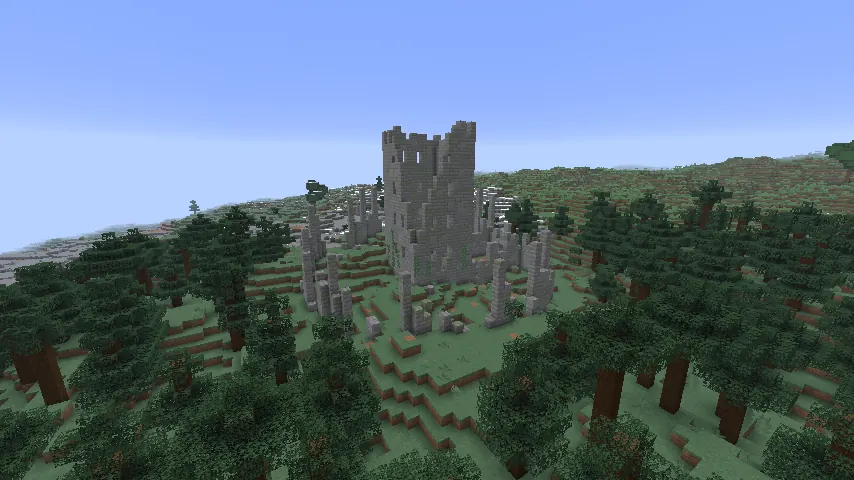
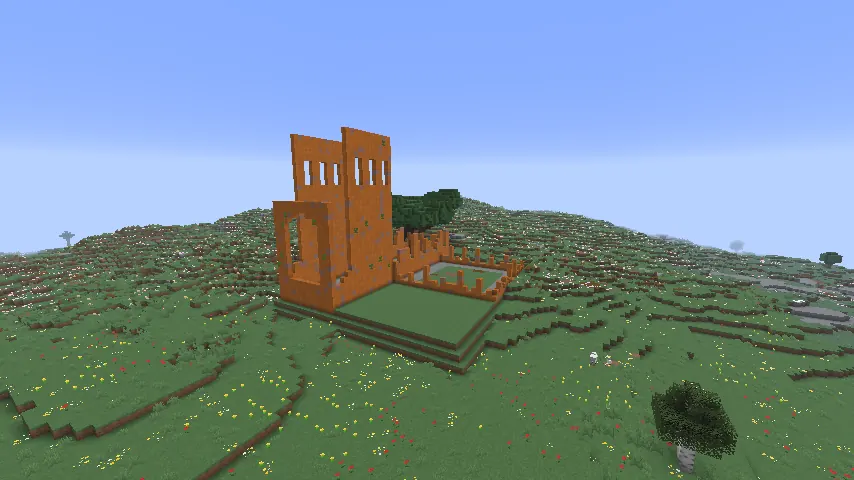
| Ruined keep | 6 | A square tower broken to a jagged top with a gapped wall about it | the Glen Keep, the Cathar Keep, the Vosge Keep, the Crusaders' Keep |
| Sea arch | 5 | A rock arch standing in the surf, in forms from a thin door to a bridge | the Pontas Arch, the Chalk Door, the Amalfi Arch, the Legzira Arch, the Shipwreck Cove |
| Crater lake | 5 | A round bowl on a summit holding a lake | the Puy Lake, the Caldera of Masis, the Crater of Pico, the Sunken Crater |
| Barrow | 5 | A great turfed burial mound with a kerb of stones and one old stone on top | the Eastern, Middle and Western Kings' Mounds, the Great Kurgan, the Lesser Kurgan |
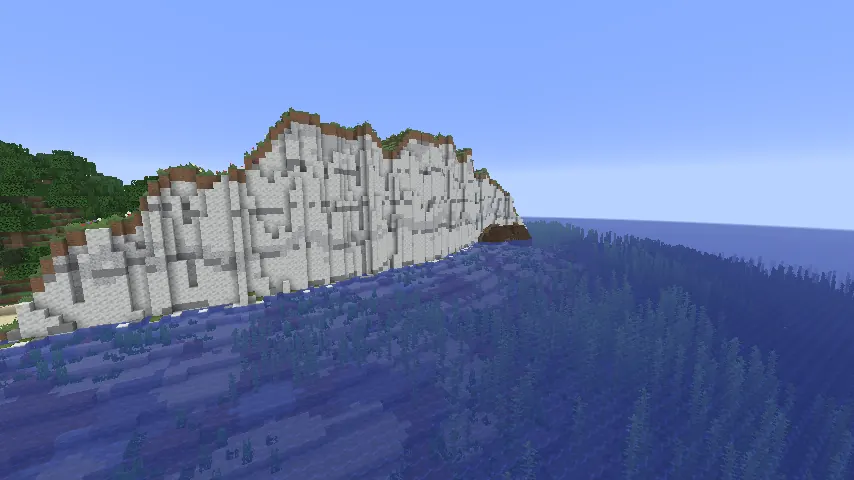
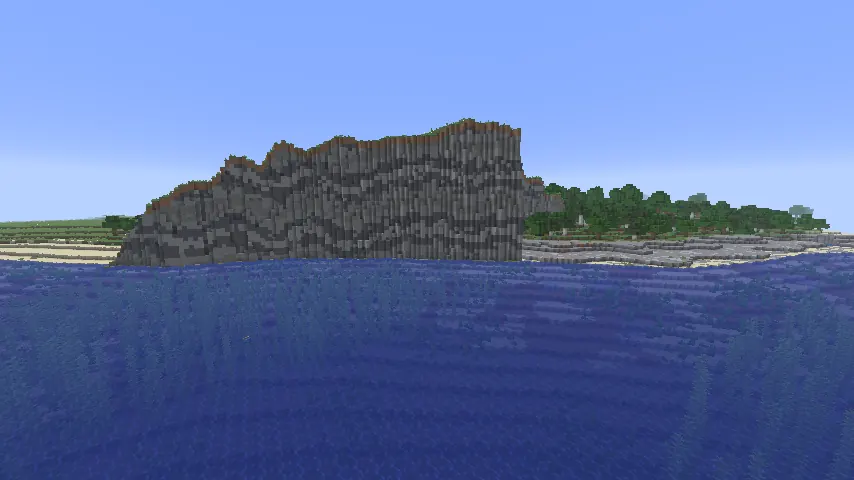
| Sea cliffs | 5 | A stretch of coast raised sheer from the water in bands of rock | the White Cliffs, the Cliffs of the West, the Golden Cliffs, the Capo Cliffs, the Klint |
| Dunes | 5 | Long winding sand ridges, the biggest wonders by footprint | the Great Erg, the Western Erg, the Eastern Sands, the Erg of Sijil, the Dune Coast |
| Rock arch | 5 | Two legs of banded stone under a span, on dry land | the Tassili Arch, the Plateau Arch, the Desert Arch, the Gennargentu Arch, the Gate of the Ringlands |
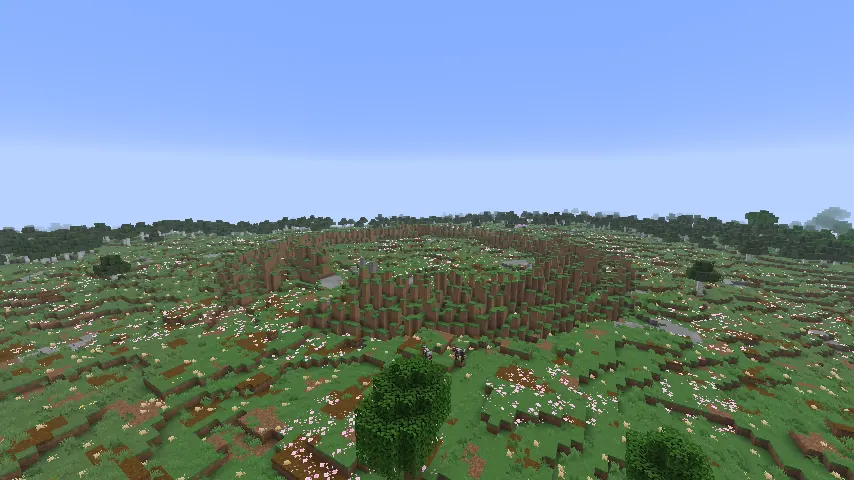
| Hillfort | 4 | Rings of turfed rampart and ditch about a hilltop, with one gate | the Maiden Rings, the Old Rath, the Pictish Fort, the Upland Rings |
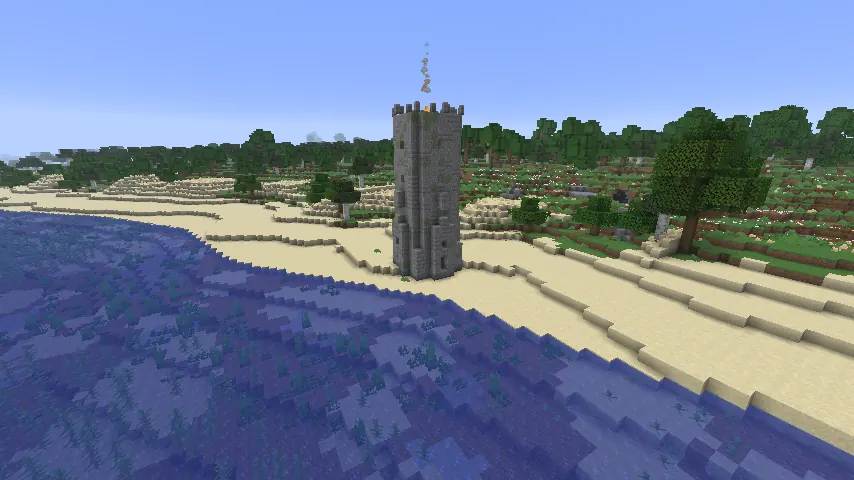
| Beacon | 4 | A round stone tower with an iron fire basket on top, lit | the Cornwick, Heartland, Fjord and Mettholm Beacons |
| Ruined abbey | 4 | A roofless nave with pointed windows, a cloister and an old yew | Tintern Abbey, the Western Abbey, the Heartland Priory, the Abbey of the Borders |
| Glacier | 3 | A snow-covered tongue of ice with crevasses, moraines and a meltwater pool | the Caucas Ice, the Keel Glacier, the Great Ice of the Alps |
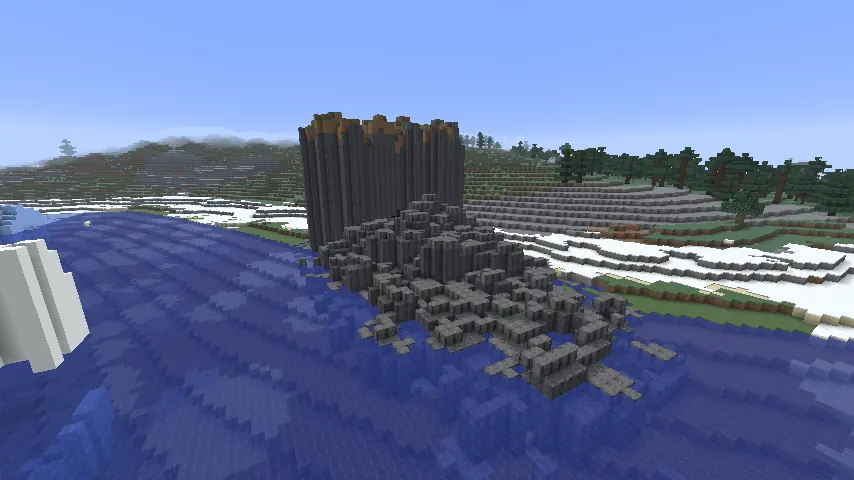
| Causeway | 2 | Basalt columns stepping down into the sea | the Giant's Steps, the Cave Isle Steps |
| Henge | 2 | A ring of great standing stones paired under lintels, with a bank and ditch | the Giants' Ring, the Jura Ring |
| Hot springs | 1 | Blue pools in a white and grey crust, steaming | the Steaming Fields |
| Terraces | 1 | White crust with scalloped basins and a steaming spring at the head | the White Terraces |
| Pulpit | 1 | A fjord wall with a flat-topped block jutting over the water | the Fjord Pulpit |
| Aqueduct | 1 | A channel on round arches across a valley, broken off at one end | the Segovia Arches |
Wonders and old stones
About one wonder in three is marked with a ring of old standing stones around a lodestone; which wonders carry one is fixed by their names, so the same wonders carry one in every world. Touch a stone on foot to attune to it, and you can travel between any two stones you have attuned to. Some of them are guarded by a few of the restless dead. See Fast Travel for how the old stones work, who holds them and what they cost.
Pictures
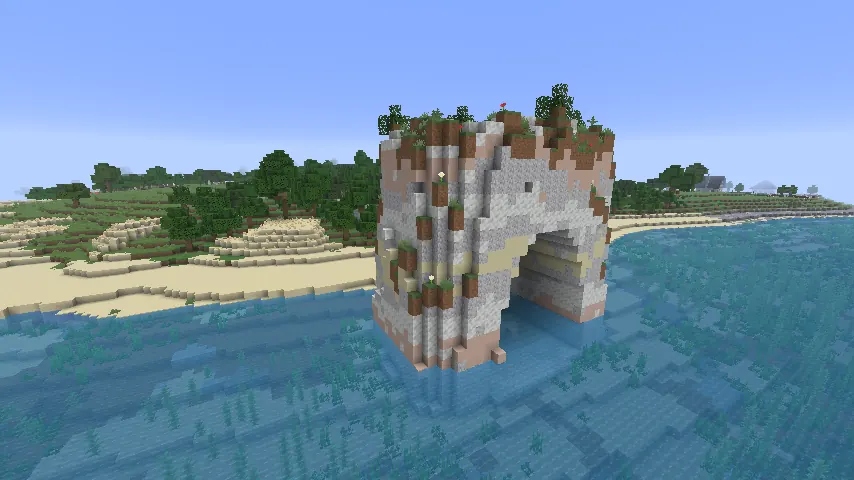
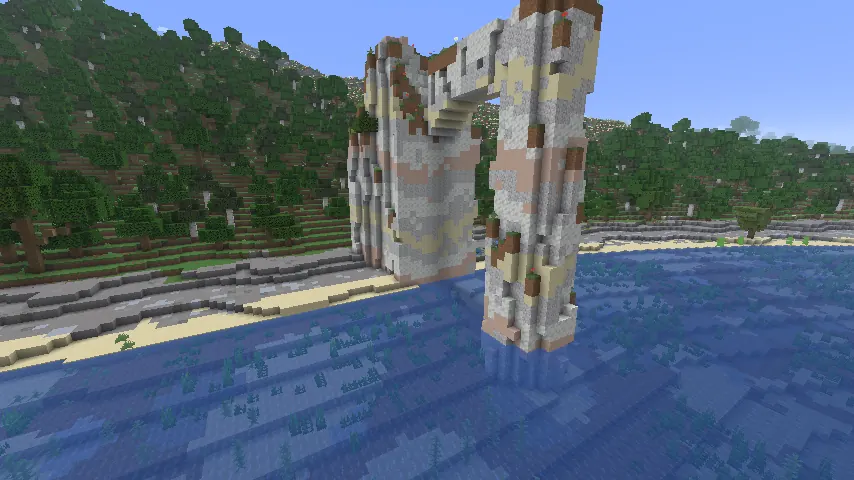
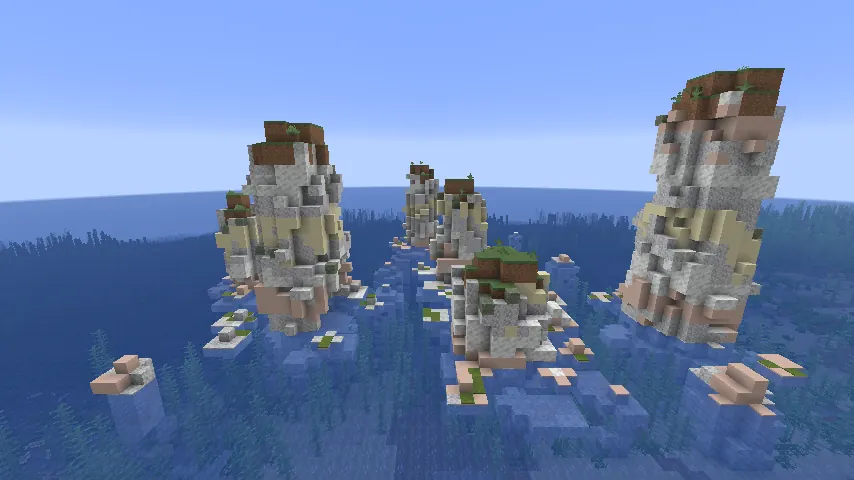
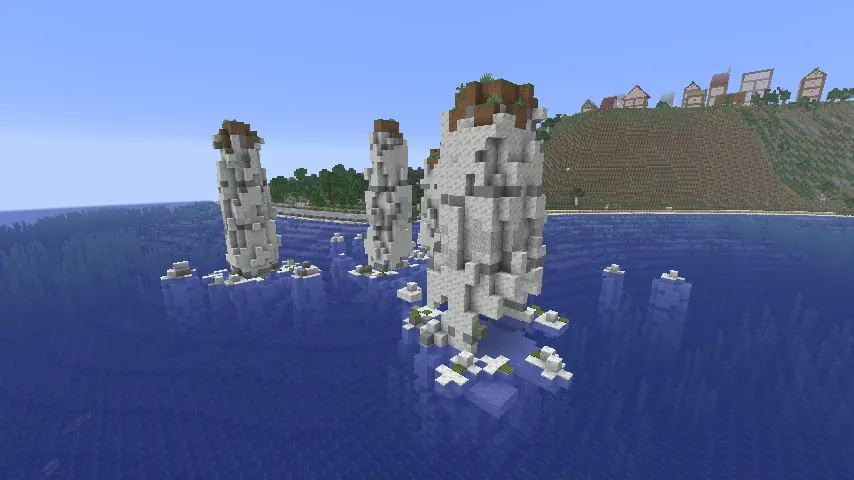
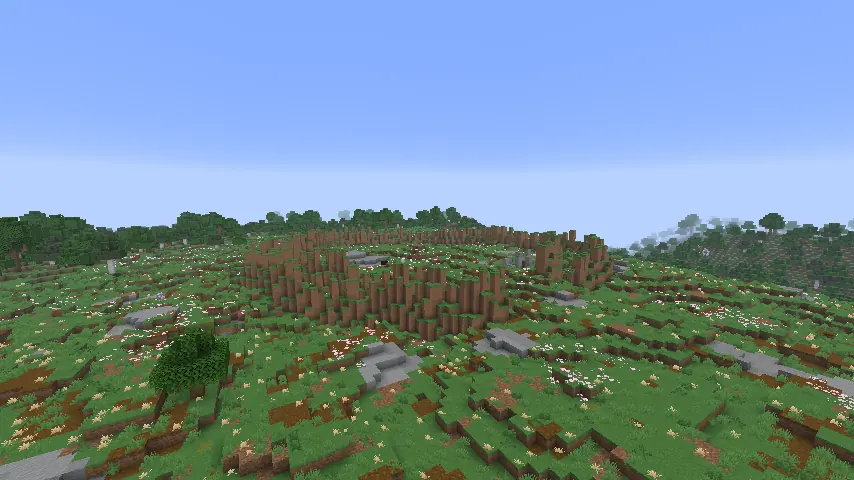
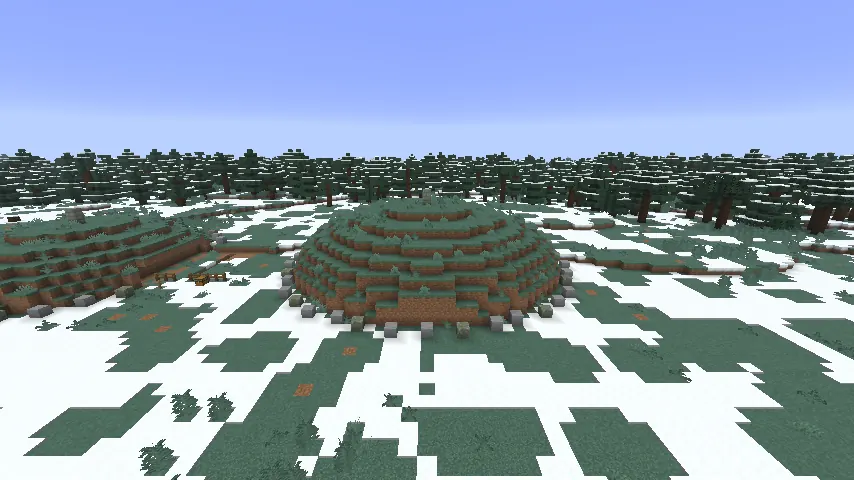
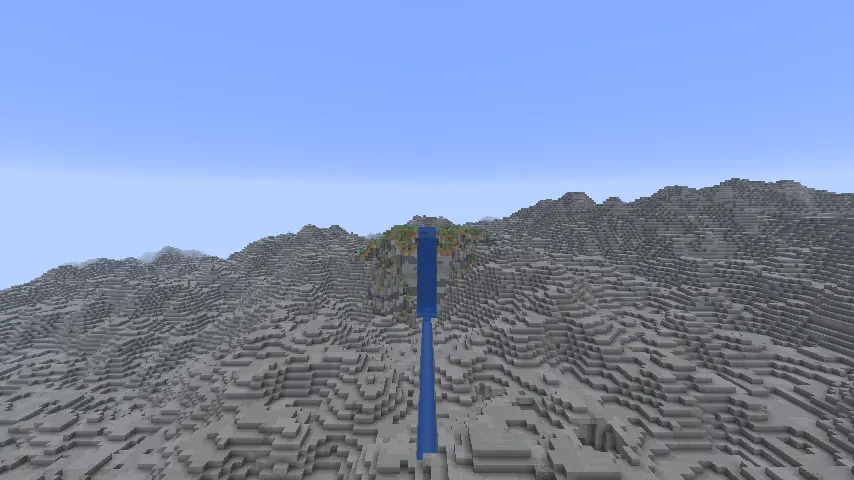
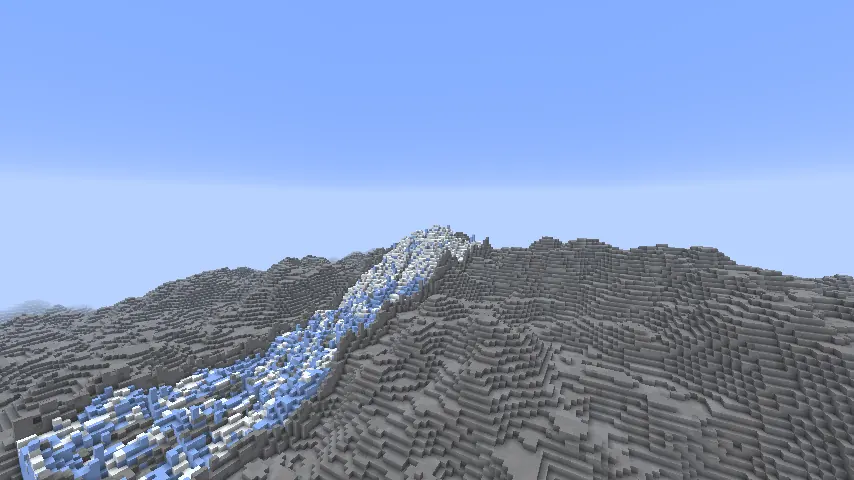
Wonders by region
Each wonder stands in one of the world's land groups; the seven that stand in the sea (the sea stacks) are counted with the nearest land.
| Land group | Wonders | Names |
|---|---|---|
| The Heartland | 10 | the Armor Tors; the Fair Mere; the Fair Oak; the Heartland Beacon; the Heartland Mere; the Heartland Priory; the King's Oak; the Kingsmead Yew; the Puy Lake; the Stonecrown Falls |
| Albion | 10 | High Force; Tintern Abbey; the Chalk Door; the Cornwick Beacon; the Fell Water; the Giants' Ring; the Grey Tors; the Maiden Rings; the White Cliffs; the White Needles |
| The Low Countries | 2 | the Dune Coast; the Polder Mere |
| The Padan Plain | 2 | the Great Ice of the Alps; the Lake under the Alps |
| The Highlands | 8 | the Abbey of the Borders; the Cave Isle Steps; the Giant's Steps; the Glen Keep; the Grey Mare's Tail; the Loch of the Glen; the Old Man of the Isles; the Pictish Fort |
| Erin | 5 | the Cliff Stacks; the Cliffs of the West; the Lough of Erin; the Old Rath; the Western Abbey |
| The High Plateau | 4 | the Cathar Keep; the Plateau Arch; the Saw Mountain; the Segovia Arches |
| The Uplands | 6 | the Jura Ring; the Mettholm Beacon; the Schist Keep; the Slate Tors; the Upland Rings; the Vosge Keep |
| The Crown Alps | 3 | the Lake of the Cantons; the Pale Towers; the Staubbach |
| The Ringlands | 4 | the Gate of the Ringlands; the Ringland Pond; the Rock Town; the Triberg Falls |
| The Long Peninsula | 3 | the Amalfi Arch; the Faraglioni; the Marmore Falls |
| Hellas and the Isle Sea | 3 | the Hanging Rocks; the Oracle Olive; the Shipwreck Cove |
| The Karpat March | 3 | the Dinaric Falls; the Iron Gate Falls; the Voivode's Keep |
| The Middle Isles | 4 | the Capo Cliffs; the Gennargentu Arch; the Pontas Arch; the Red Needles |
| The Fjord Coast | 6 | the Dovre Falls; the Fjord Beacon; the Fjord Pulpit; the Keel Glacier; the Mountain Tarn; the Seven Sisters |
| The Straits | 2 | the Klint; the Sound Mere |
| The Eastlands | 4 | the Eastern Kings' Mound; the Great Eastern Lake; the Middle Kings' Mound; the Western Kings' Mound |
| The White North | 2 | the Frozen Lake; the Kola Tors |
| The Wild Fields | 2 | the Great Kurgan; the Lesser Kurgan |
| Ashholm | 4 | the Black Falls; the Steaming Fields; the Sunken Crater; the Troll Stacks |
| Almarra | 3 | the Algarve Stacks; the Golden Cliffs; the Torcal |
| The Sunset Coast | 3 | the Erg of Sijil; the Legzira Arch; the Ouzoud Falls |
| The Great Sands | 5 | the Ahaggar Pillars; the Eastern Sands; the Great Erg; the Tassili Arch; the Western Erg |
| The River Land | 2 | the Desert Arch; the White Desert |
| The Cedar Coast | 4 | the Baatara Falls; the Crusaders' Keep; the Patriarch Cedar; the Second Cedar |
| The High East | 3 | the Caldera of Masis; the Fairy Chimneys; the White Terraces |
| The Caucas | 2 | the Caucas Falls; the Caucas Ice |
| The Lake Country | 3 | the Falls of the Source; the Great Baobab; the Lake Country Fig |
| The Verdance | 1 | the Smoke That Thunders |
| The Fortunate Isles | 3 | the Caldera of the Great Peak; the Old Dragon Tree; the Old Til |
| The Far Isles | 2 | the Crater of Pico; the Falls of the Ridge |
Finding them
Your map shows the land only as you have seen it, or as a map you have bought draws it, so wonders are things to come on while travelling the roads and coasts, to hear about from people, and to look for on the lands where they stand: the Regions of the World table says how many each group holds, and the region articles (The Heartland, Albion and the Highlands, Erin, The Middle Sea, The Fjord Coast, the Straits and the Eastlands, The Crown Alps, The Uplands, The Ringlands, The Caucas and others) name them. See Maps, the Corner Map and the Compass for how your map fills in. Other things in the wild that you can use, rather than only look at, are in Wilderness Discoveries, and the monsters that can wake in the same country are in Great Beasts and Trophies.